Tooltip guidance
Low interruption and easy to reuse, but less discoverable and harder to retain during a complex task.

STEELSERIES GG · SOFTWARE UX · 2024–PRESENT
I shape software experiences across SteelSeries GG, from product discovery and data analysis to interaction design, validation, engineering handoff, and launch.
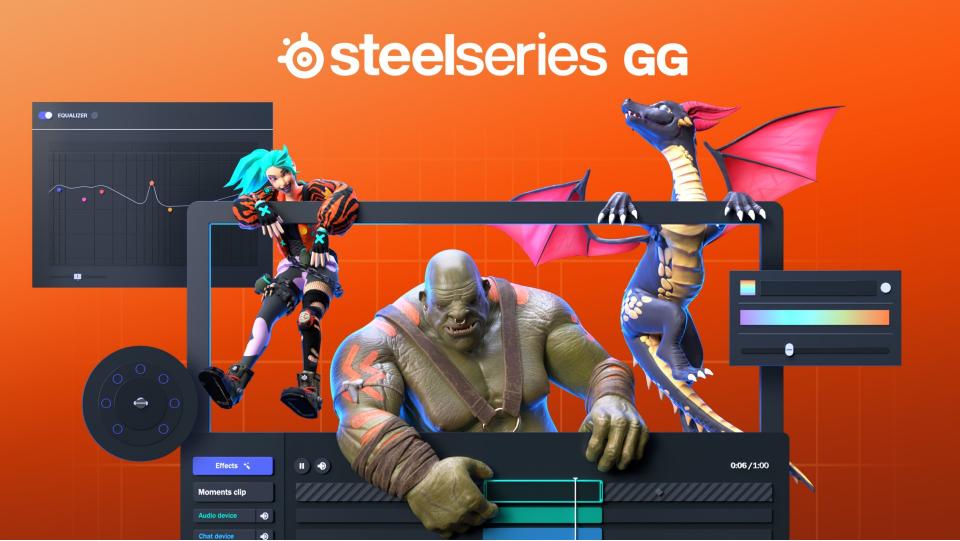
PROJECT OVERVIEW
GG serves players who want a quick setup and enthusiasts who expect precise control. The product challenge is to make advanced settings understandable without slowing expert users or creating one-off patterns for every device.
I frame the decision with product and engineering, triangulate behavioural data with research, prototype the riskiest interaction, and review implementation against the intended states and success criteria.
01 · DISCOVER
I do not rely on one research method. I combine large-scale behavioural evidence with interviews and usability work, then trace each design decision back to the signal that caused it.
Redash and Snowflake revealed usage patterns. Airtable and Dovetail organised feedback and research evidence. Python and SQL helped clean, join, and compare the data before synthesis.
Internal metrics, participant identities, account details, links, project codes, and verbatim feedback have been obscured. The visuals show method and evidence structure only.
02 · DEFINE
For advanced keyboard configuration, research showed that first-time users could see the controls but did not understand the underlying concepts. The problem was information timing, not simply terminology.
Interviews, community feedback, and usability sessions surfaced the same comprehension gap.
More copy alone would increase density without helping users form the right concept.
Contextual education would appear only when the user needed it.
Useberry compared comprehension, confidence, task success, and completion time.
The decision gate compares comprehension, confidence, task success and time across both patterns; I document where each pattern serves novices or experienced players. The study does not establish a quantified live-product lift.
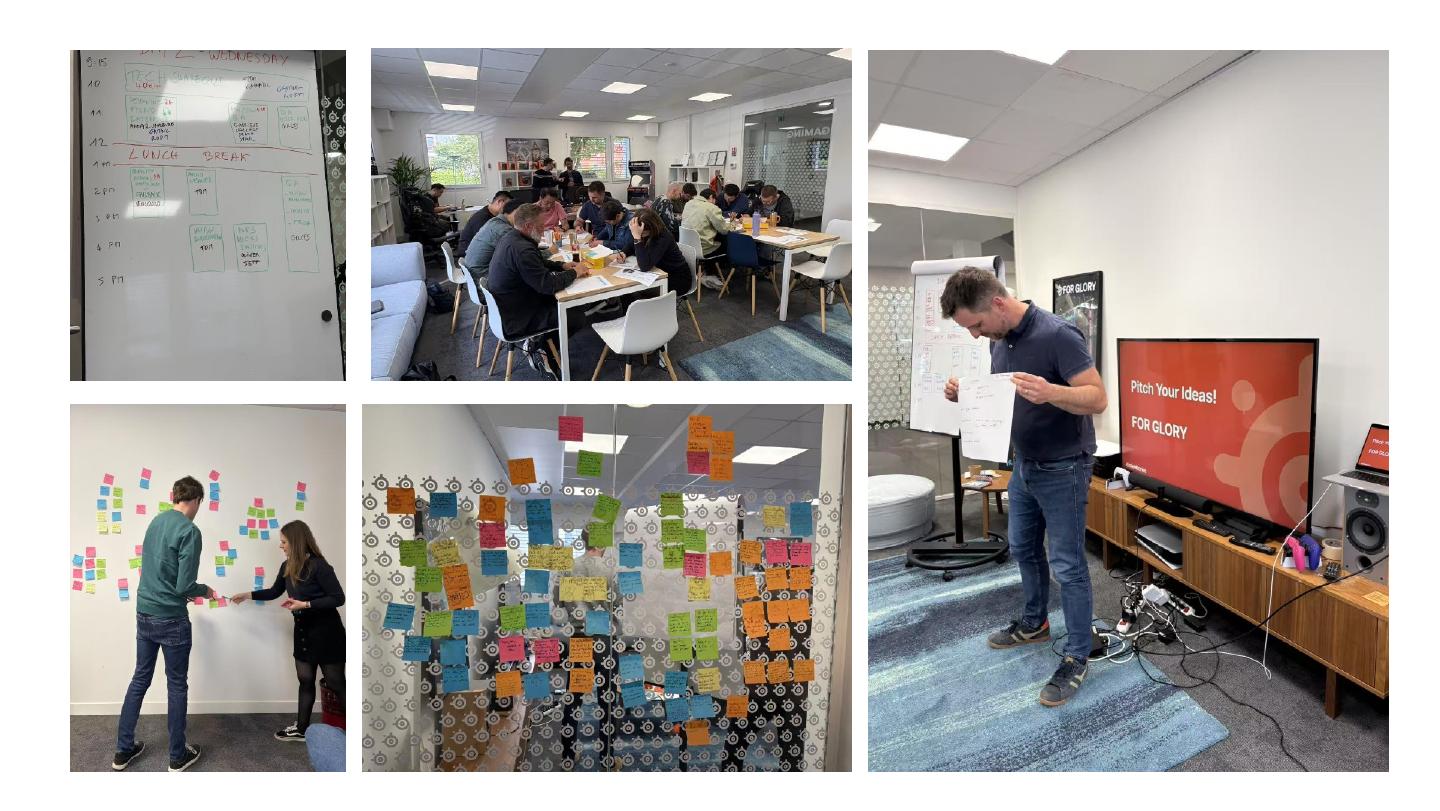
I facilitated FigJam workshops with Product, Design, Engineering, Hardware, and Firmware. We compared user impact, technical complexity, dependencies, and product risk before committing to scope.
The output became a focused problem statement, prioritised opportunities, success criteria, and a validation plan.
03 · DEVELOP
I move from low-risk structure to high-fidelity behaviour. For important decisions, I compare multiple patterns, document trade-offs, and test the smallest prototype that can answer the open question.
Low interruption and easy to reuse, but less discoverable and harder to retain during a complex task.
More persistent context and room for examples, with a larger layout and interaction cost.
Measured task success, comprehension, confidence, and time. Qualitative feedback explained the score differences.
04 · DELIVER
The design process continues through planning, engineering handoff, implementation review, alpha and beta testing, and design QA. I document responsive behaviour, component states, edge cases, and the constraints that affect the final experience.
Connect the product brief to user flows, acceptance criteria, and Jira tickets.
Specify SteelForge components, behaviour, states, and edge cases with engineering.
Compare the build with the intended interaction and report gaps with clear reproduction steps.
Review alpha, beta, and post-launch signals, then carry findings into the next iteration.
DESIGN SYSTEM
I design within SteelSeries’ existing system and contribute patterns that can scale across products. Influenced by Material Design 3 principles, the work covers tokens, components, states, interaction rules, documentation, accessibility, and design QA.
Typography, colour, spacing, elevation, and motion rules.
Sliders, switches, selects, tabs, chips, buttons, tooltips, backdrops, and snackbars.
Loading, disabled, warning, error, confirmation, and recovery states.
Shared specifications that improve reuse, implementation speed, maintainability, and cross-product consistency.
GG SOFTWARE ECOSYSTEM
My work spans device configuration, audio control, gameplay capture, and training. The interface changes by context, while shared navigation, interaction patterns, and system rules keep the ecosystem coherent.
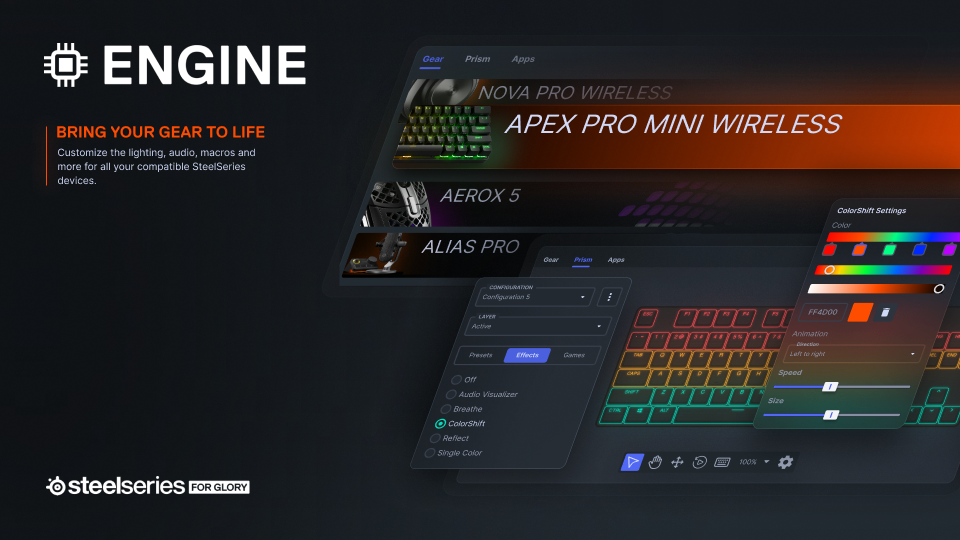
Device setup, profiles, advanced configuration, firmware states, and configuration education.
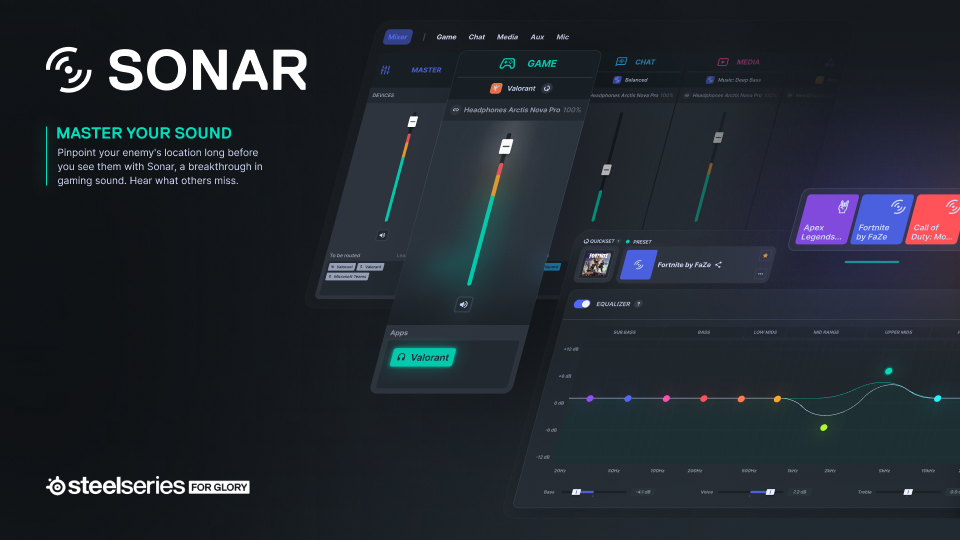
Channel mixing, presets, equalisation, and audio processing across game, chat, and microphone paths.
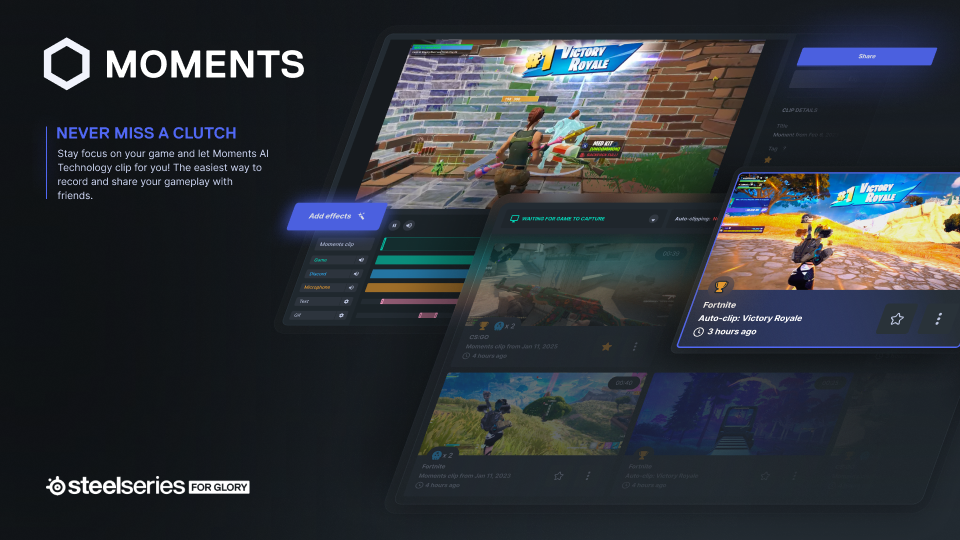
Gameplay capture, clip editing, audio control, and sharing within a focused creator journey.
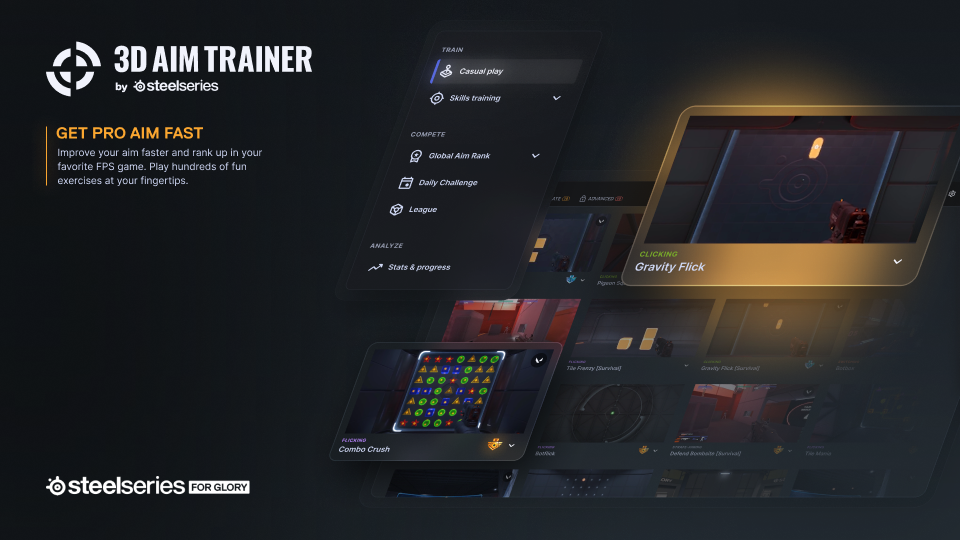
Training discovery, practice activities, and performance feedback within the wider GG experience.
05 · MEASURE
I define leading and lagging indicators before launch. This lets the team evaluate whether a design improved understanding in the test and whether that improvement translated into healthier product behaviour after release.
Verified scale
5M+The work operates inside a mature platform where consistency and release quality matter at scale.
Research coverage
110+Supported by 20+ interviews and more than 100,000 product and research data points.
Measurement plan
Track sentiment themes and support contacts for the affected interaction after release.
Compare feature activation, repeat use and task completion against a defined baseline.
Task success · comprehension · confidence · completion time · error rate
Feature adoption · DAU · retention · NPS · support volume · community sentiment
Scale and research coverage describe the platform and study programme. Product outcomes for individual releases are confidential or not attributable here; this section therefore shows how I would evaluate them, without claiming a quantified lift.
AI-ENABLED PRODUCT DEVELOPMENT
I built a Codex-driven workflow that converts confirmed meeting decisions and structured requirements into editable Figma proposals using reusable SteelForge rules. The AI drafts component choices and states; I check requirement coverage, interaction logic, accessibility and edge cases before any team handoff. The human review step determines what is usable.
The demo shows how I structure decisions, apply reusable design-system knowledge, generate an editable proposal, and keep human judgement in the review loop.
REFLECTION
My contribution goes beyond producing screens. I connect evidence to product scope, align teams around trade-offs, design within technical constraints, validate the interaction, and carry quality through implementation and measurement.